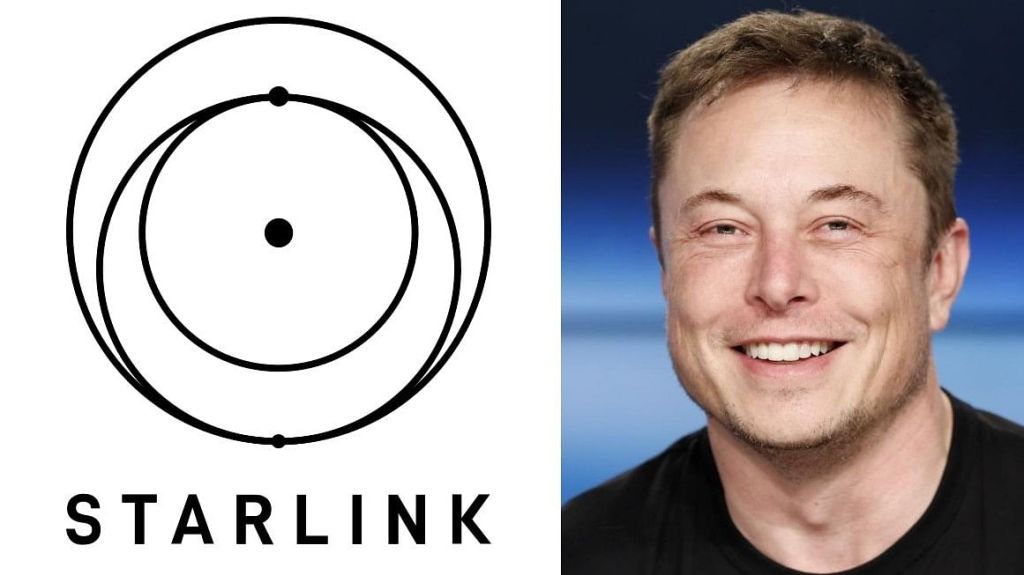
Elon Musk, the visionary entrepreneur behind companies like Tesla, SpaceX, and Neuralink, has once again captured global attention with his ambitious Starlink project. Starlink, a satellite internet constellation developed by SpaceX, aims to provide high-speed, low-latency internet access to even the most remote corners of the world. While the project promises to bridge the digital divide and revolutionize global connectivity, it has also sparked concerns about its potential use for surveillance and espionage. Is Starlink a force for good, or could it become a tool for spying on other countries?
The Promise of Starlink
Starlink’s primary goal is to deploy thousands of small satellites into low Earth orbit (LEO) to create a global broadband network. Unlike traditional internet infrastructure, which relies on ground-based cables and towers, Starlink’s satellite-based system can deliver internet access to areas where laying fiber-optic cables is impractical or too expensive. This includes rural communities, disaster-stricken regions, and developing nations.
For many, Starlink represents hope. It has already proven its worth in emergencies, such as providing internet access to Ukraine during the Russian invasion, enabling communication and coordination in a time of crisis. Similarly, it has been deployed in disaster zones to restore connectivity when traditional networks fail. The potential to connect billions of people who currently lack reliable internet access is undeniably transformative.
The Surveillance Concerns
However, Starlink’s capabilities have raised eyebrows among governments and privacy advocates. The sheer scale of the project—with plans to launch tens of thousands of satellites—means that Starlink could have unprecedented access to global data flows. This has led to speculation that the technology could be used for surveillance purposes, either by SpaceX itself or by the governments with which it collaborates.
One of the primary concerns is the potential for Starlink to intercept and monitor internet traffic. While SpaceX has stated that the system is designed to route data securely and privately, the possibility of backdoors or vulnerabilities being exploited cannot be entirely ruled out. Given Elon Musk’s close ties to the U.S. government—SpaceX has secured numerous contracts with NASA and the Department of Defense—some fear that Starlink could become a tool for U.S. intelligence agencies to spy on other nations.
Moreover, the global nature of Starlink’s network means that it could bypass traditional jurisdictional boundaries. This raises questions about data sovereignty and whether countries will be able to regulate or control the flow of information within their borders. For authoritarian regimes, Starlink could be seen as a threat to their control over information, while for democratic nations, it could pose challenges to privacy and national security.
The Geopolitical Implications
Starlink’s potential for dual use—both as a civilian internet provider and a military asset—has already been demonstrated. The U.S. military has expressed interest in leveraging Starlink for secure communications and reconnaissance. In conflict zones, the ability to provide or deny internet access could become a powerful tool for influencing outcomes. For example, during the Ukraine conflict, Starlink’s role in providing internet access was seen as a strategic advantage for Ukrainian forces.
This dual-use capability has not gone unnoticed by other nations. Countries like China and Russia have raised concerns about the militarization of space and the potential for Starlink to be used against their interests. China, in particular, has accelerated its own satellite internet projects, viewing Starlink as both a technological competitor and a potential security threat.
Balancing Innovation and Ethics
The debate over Starlink highlights the broader ethical and geopolitical challenges posed by emerging technologies. While the project has the potential to bring immense benefits, it also underscores the need for robust oversight and international cooperation to prevent misuse. Transparency from SpaceX about how data is handled and protected will be crucial in building trust with users and governments alike.
Elon Musk has often described his mission as one of advancing humanity’s future. Whether Starlink becomes a force for good or a tool for surveillance will depend on how it is managed and regulated. As the world watches this groundbreaking project unfold, one thing is clear: the stakes are as high as the satellites orbiting above.
In the end, Starlink is a testament to human ingenuity and ambition. But like any powerful tool, its impact will be shaped by the hands that wield it. The challenge for the global community is to ensure that this technology serves the greater good, rather than becoming a new frontier for conflict and control.
TRENDING STORIES
- GOOD NEWS: 20,000 High-Yield Oil Palm Seedlings for Farmers in Upper Denkyira East

- Who is ATMblogger

- Sir Bash Declares Bid for Deputy Youth Organizer in Upper Denkyira East

- Elon Musk Makes $698 Million Per Day — Here’s What He Earns Every Hour You Sleep

- Ms. BEATRICE SEWOR IS GRNMA NATIONAL BEST NURSE 2025

- Young Lady in Nwoya Reportedly Runs Mad After Refusing to Marry The Man Who Sponsored Her University Education.

- Hon. John Dumelo honours Ghana’s farmers on Parliament floor ahead of National Farmers’ Day

- Black Sherif: Ghana’s Streaming King — Four Years and Counting

- DENKYIRAMAN UNITED FOOTBALL CLUB ANNOUNCES MASSIVE JUSTIFY-YOUR-INCLUSION EXERCISE — TEAM LEADER RICHARD TUTU BOAHEN CALLS ON ALL TALENTS.

- Download : Kofi Kinaata ft Sarkodie -“Have Mercy 2”

- The Boa-Amponsem Past Students Association Congratulates Dr.Dan Anane Frimpong On His Position As Deputy Secretary Of GMA.

- SEC Flags 33 TV Stations for Airing Suspected ‘Money-Doubling’ Scams

- High Court Orders Rerun Of Kpandai Seat Currently Occupied By NPP’s Matthew Nyindam





 Richghanaonline.com
Leave a comment